Featured
What Des Moines Iowa Debt Relief Without Filing Bankruptc...
How to Restructure Without Losing Whatever in Louisville ...
Why Your Area Consumers Required Financial Obligation Man...

Why Literacy Is the Foundation for Homeownership Success
Table of Contents
Charge card management has reached an intricate stage in 2026 as rates of interest stay at levels hidden in the previous years. Financial conditions in 2026 need a proactive method to credit usage, which is the ratio of revolving credit used compared to the overall limits offered. This metric stays a main consider figuring out credit rating, often carrying as much weight as payment history in modern-day scoring models. Households in the local area are discovering that even small shifts in monthly balances can activate substantial changes in their credit standing.
Comprehending Utilization in the 2026 Economy
The 2026 financial environment is defined by relentless, moderate inflation and a stabilizing but high-interest rate environment. Numerous lending institutions have actually tightened their requirements, making credit report even more delicate to usage spikes. Traditionally, keeping balances listed below 30% was the basic suggestions, but lots of financial analysts in 2026 recommend that staying below 10% is now required to preserve an elite rating. High rates of interest suggest that carrying a balance results in rapid financial obligation development, which in turn increases the utilization ratio instantly monthly as interest charges are contributed to the principal. Keeping low balances is not almost score preservation-- it is a defensive move versus the compounding cost of financial obligation.
Monitoring these ratios requires attention to statement closing dates rather than payment due dates. Credit card providers typically report the balance to credit bureaus when a month, typically on the day the declaration is created. If a customer pays their costs completely on the due date, however had a high balance on the declaration date, the bureaus might still see high utilization. Homeowners of various regions can improve their profiles by making several payments throughout the month or paying the balance completely a few days before the statement duration ends. This ensures the reported balance is as low as possible.
Strategic Monitoring and Consumer Defenses
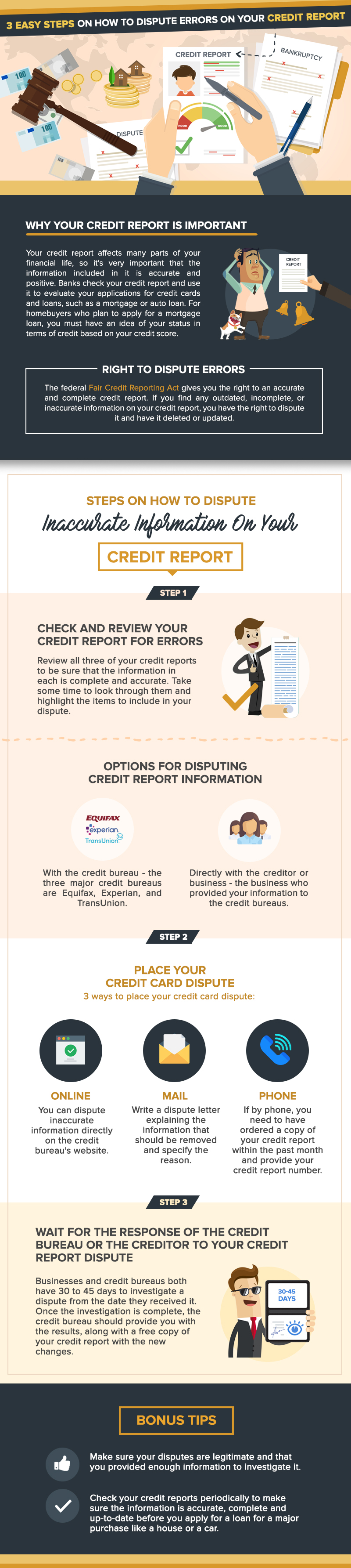
Credit monitoring has become a standard practice for numerous in 2026, moving beyond simple score examining to deep-level report analysis. The Fair Credit Reporting Act continues to supply the foundation for customer rights, guaranteeing that every individual in the United States deserves to accurate info. Mistakes on credit reports-- such as misreported limits or out-of-date balances-- can artificially pump up usage rates. Regular evaluations of reports from the three significant bureaus help identify these discrepancies before they impact loan applications or insurance coverage premiums. Many individuals now depend on Financial Literacy to remain informed about changes to their files.
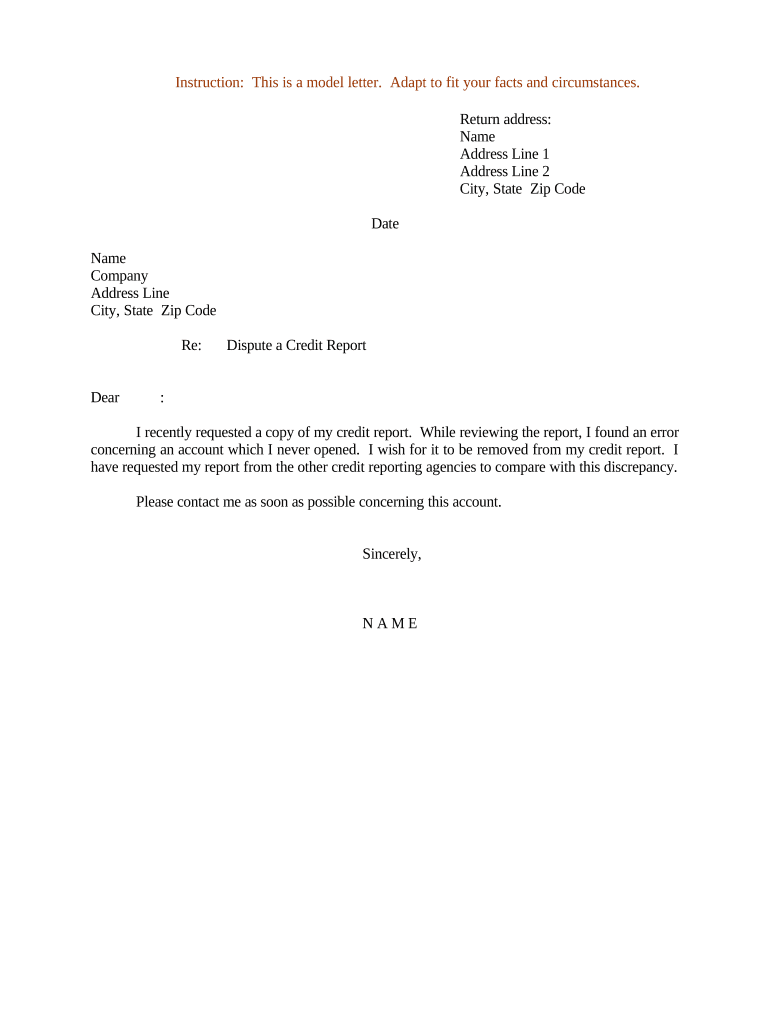
Consumer rights likewise encompass the conflict process. If a credit card provider stops working to update a limitation after an increase or improperly reports a closed account as open with a balance, the customer has the right to challenge that information. In 2026, numerous conflict processes have actually been structured through digital websites, though licensed mail stays the most reputable technique for preserving a paper path. Precision in credit reporting is vital since modern-day scoring designs progressively take a look at trended data, which examines how utilization modifications gradually rather than simply taking a look at a single point in the month.
Improving Financial Health in Regional Hubs
When financial obligation ends up being difficult to handle separately, not-for-profit credit counseling companies offer a structured course forward. These companies, which are often 501(c)(3) entities approved by the U.S. Department of Justice, offer free credit counseling and debt management programs. Nonprofit Financial Literacy Resources provides a way to combine different charge card payments into one monthly amount while the firm negotiates for lower rate of interest with creditors. This is particularly efficient in 2026, as the space in between basic charge card APRs and negotiated not-for-profit rates has widened, providing substantial cost savings for participants. These programs focus on paying down the principal quickly, which has the immediate adverse effects of reducing usage ratios.
These agencies also offer mandatory pre-bankruptcy counseling and pre-discharge debtor education for those dealing with severe financial hardship. For house owners in the surrounding area, HUD-approved real estate counseling is likewise available through these networks to help prevent foreclosure or help with first-time home purchasing education. The focus of these nonprofits is financial literacy, assisting customers comprehend the mechanics of their credit rating and the long-term impact of their financial choices.
The Role of Debt Management and Literacy
Financial literacy education is a core part of sustainable financial obligation reduction. Understanding how interest substances and how utilization is determined can alter the method a consumer uses their cards. For example, some individuals choose to keep old, unused accounts open up to maintain a greater overall credit limit, which helps keep their utilization portion low. Nevertheless, in 2026, some banks have actually started closing non-active accounts more often. A literate consumer knows to use these cards for small, infrequent purchases to keep the account active and protect the limitation.
Getting involved in a debt management program is a serious dedication that generally includes closing the charge account consisted of in the plan. While this might temporarily reduce the total readily available credit and impact utilization, the stable decrease of debt and the removal of high interest rates usually result in a much stronger monetary profile over a number of years. Numerous companies and neighborhood groups throughout the surrounding states partner with not-for-profit firms to supply these services as staff member benefits or community outreach. The need for Financial Literacy near Frederick stays high as individuals search for professional assistance in a shifting economic environment.
Long-Term Credit Stability in 2026
Keeping a healthy credit profile in 2026 requires more than just paying on time. It includes a tactical understanding of how financial obligation is reported and a willingness to utilize offered customer protections. Federal laws protect customers from predatory practices, and nonprofit agencies use a safeguard for those who discover themselves overwhelmed by the cost of borrowing. By focusing on keeping usage low and monitoring reports for precision, people can protect their purchasing power and guarantee they are prepared for any future economic shifts.
The capability to access inexpensive credit is a cornerstone of monetary stability. Whether it is for a home in a local neighborhood or a small company venture, a strong credit rating is the secret that opens those doors. As the 2026 rates of interest environment continues to evolve, the most effective customers will be those who treat their credit usage as a workable variable instead of a repaired concern. Through education, mindful tracking, and the assistance of not-for-profit resources, accomplishing a high level of monetary health is an attainable objective for everyone in the nation.

Table of Contents
Latest Posts

What Des Moines Iowa Debt Relief Without Filing Bankruptcy Households Need to Understand About Insolvency

How to Restructure Without Losing Whatever in Louisville Debt Relief
Why Your Area Consumers Required Financial Obligation Management
More
Latest Posts
What Des Moines Iowa Debt Relief Without Filing Bankruptcy Households Need to Understand About Insolvency
How to Restructure Without Losing Whatever in Louisville Debt Relief
Why Your Area Consumers Required Financial Obligation Management